

|
Wine Rack Projects / Sullivan's Steakhouse Wine Walls: Award-Winning Floor-to-Ceiling Wine Display Design
The Modern Wine Wall: Where Architectural Design Meets Wine ExcellenceHow Sullivan's Steakhouse locations achieve Wine Spectator recognition through floor-to-ceiling wine displays that are as striking as they are functional. There's a moment when guests enter Sullivan's Steakhouse and see the wine wall. It's not a storage solution they're looking at - it's an architectural statement. Floor-to-ceiling, gleaming aluminum framing, every bottle visible and carefully curated. It announces something: this restaurant takes wine seriously, and it takes design seriously. That design choice has been part of Sullivan's Steakhouse's success for decades. Three consecutive years of Wine Spectator's Award of Excellence (2024, 2025, 2026). Multiple locations with 20+ years of recognition dating back to 2001. That's not accidental. It's the result of deliberate choices about presentation, curation, and how wine is meant to be experienced. Wine Spectator Award of Excellence - 2024, 2025 & 2026 If you're designing an upscale restaurant, redesigning your wine program, or planning a new location, this design is worth understanding. Not for cost reasons. For design reasons. For the impression it makes the moment a guest walks through your door. See This Design in Your Restaurant Presence: The Moment Design Becomes ExperienceA wine wall isn't furniture. It's the first impression a guest has of your wine program before they ever see the list. If it's cramped shelving or misaligned bottles, the message is clear: this is secondary. If it's a striking display, carefully organized with gleaming aluminum framing and professional lighting, the message is different: this matters. 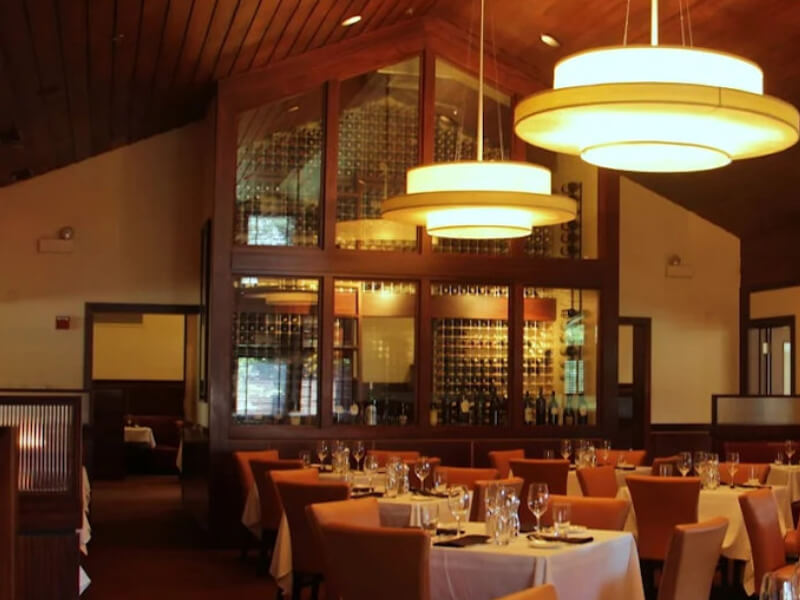
Grand architectural presence: the wine wall at Sullivans Steakhouse anchors the entire room. Polished aluminum gleams. Every bottle is visible. The message is instant. Photo courtesy of Google Merchant 360 - view source Scale Creates SophisticationThere's a difference between displaying 100 bottles and displaying 1,000. One is a nice touch. The other is a destination. A proper wine wall fills vertical space from floor to ceiling, creating an architectural focal point that says everything about the restaurant's commitment to wine excellence. This scale also creates visual drama. Guests are drawn to it. They linger. They study selections. They talk about it. That's not accidental design - that's intentional presentation. Materials Matter: Aluminum vs. The AlternativeThere's a reason upscale restaurants choose polished aluminum framing for wine displays. It's not just functional - it's visually superior. Polished Aluminum: Reflects light, creates visual depth, looks modern and precise. Pairs with contemporary and traditional dining aesthetics equally. Doesn't date. Doesn't deteriorate. Esteemed designers refer to this rarity as timeless design. Wood Slats: Warm appearance in certain contexts, but in a wine display they can read as dated, dense, and visually heavy. They absorb light rather than reflect it. They can look residential rather than professional in fine dining contexts. 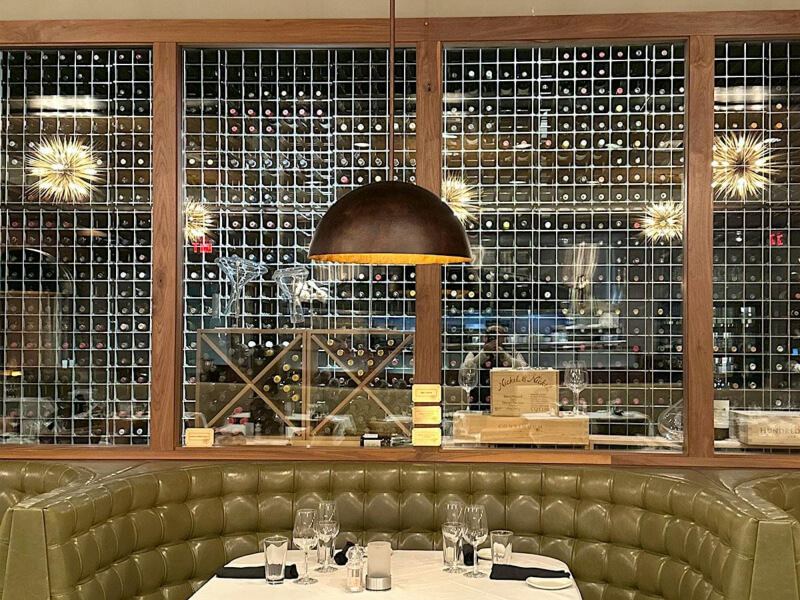
The gleam of polished aluminum catches light and reflects the room. It's not just storage - it's part of the dining ambiance. Photo courtesy of Sullivan's Steakhouse - view source Visual Precision Creates TrustWhen a guest sees a wine wall with clean lines, polished aluminum framing, professional spacing, and perfect alignment, they draw a conclusion: this restaurant is precise about its standards. If the wine display is this thoughtfully executed, the wine itself must be equally thoughtful. That trust translates to wine sales. Guests are more confident ordering from a well-designed list when it's presented with this level of care. Security Without Sacrifice: Cradle Design That Looks CleanInvestment-grade wine displays need to protect expensive bottles. But protection doesn't mean visible hardware, cables, or clunky safety features. A proper cradle system keeps bottles secure while maintaining visual elegance. 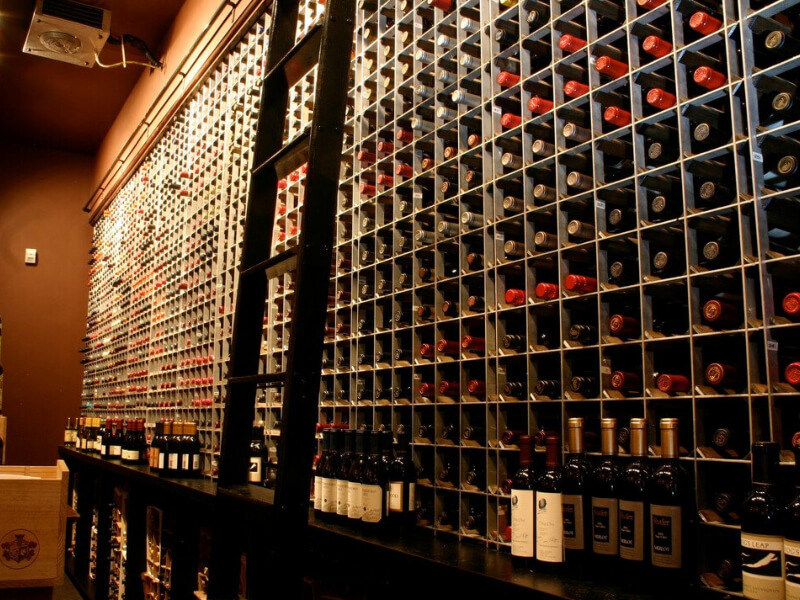
Each bottle sits in a precision-engineered cradle. Secure. Stable. No visible safety mechanisms. No compromise to design. Photo courtesy of Eventective - view source Engineering Invisible, Impact VisibleThe engineering that keeps expensive Bordeaux safe doesn't need to be visible. A well-designed system incorporates seismic safety, cradle support, and bottle stability without visible cables, magnets, or awkward brackets. The result is a clean visual presentation where every bottle appears to float at the perfect angle, stable and secure, with no visible means of support cluttering the design. Light and Reflection: The Polished Aluminum AdvantageYou don't need integrated lighting when your frame is polished aluminum. The restaurant's ambient light - whether from overhead fixtures, wall sconces, or natural daylight - catches the precision-engineered aluminum surfaces and creates visual depth that changes throughout the day and service. 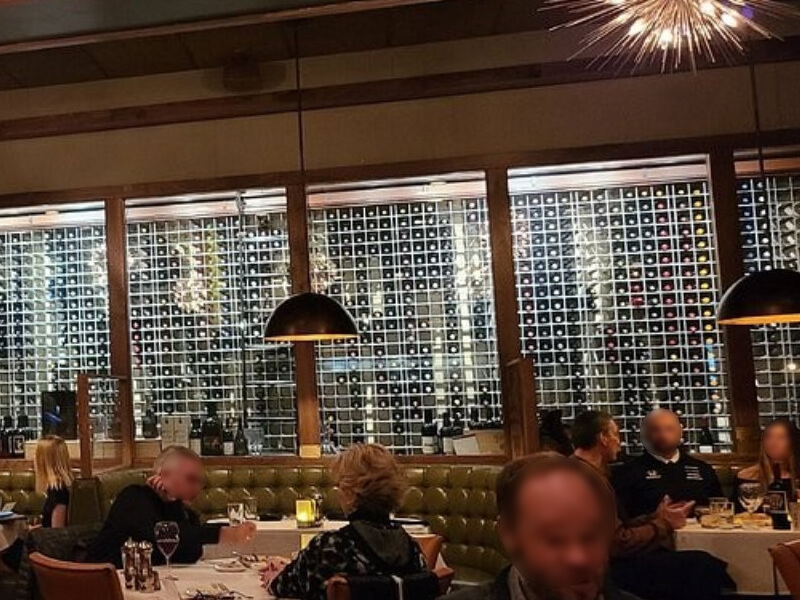
Polished aluminum catches every angle of ambient light. The symmetry of the design creates visual rhythm that changes with the time of day. Photo courtesy of Tripadvisor - view source Symmetry Creates Visual InterestThe precision of the aluminum framing creates geometric symmetry. Light plays across those lines, creating depth and visual movement without any additional fixtures. At lunch, it's one aesthetic. At dinner, with different lighting angles, it's another. The system adapts to the room's lighting, not the other way around. Sullivan's Steakhouse: Three Years of Consecutive RecognitionSullivan's Steakhouse has earned Wine Spectator's Award of Excellence three consecutive years running, with multiple locations marking 20+ years of continuous recognition dating back to 2001. Here's the documented recognition:
Wine Spectator judges on four criteria: quality selections, cuisine match, range of producers, and thoughtful organization and presentation. That last criterion is critical. A wine list can be excellent on paper, but if guests don't see it presented as something worth noticing - something that reflects the restaurant's standards - that credibility is lost. 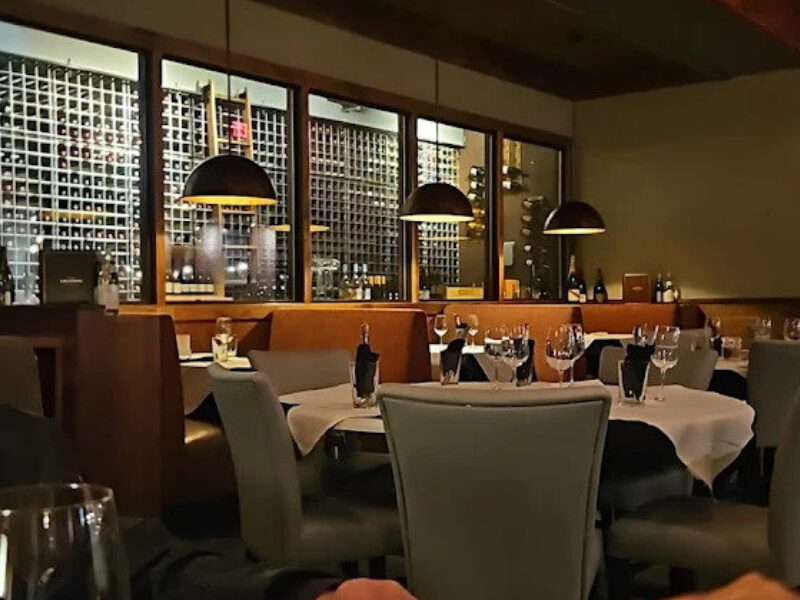
Consistency across locations: same design philosophy in different architectural spaces. Every installation reflects the same commitment to excellence. Photo courtesy of Sullivan's Steakhouse - view source Design That Scales Across LocationsWhen you operate multiple fine dining restaurants, consistency matters. The wine wall design works in a high-ceiling room or a more intimate space. It accommodates 300 bottles or 1,500. It performs the same way everywhere because it's engineered from the start for scalability without compromise. The Design Principles Behind Excellence
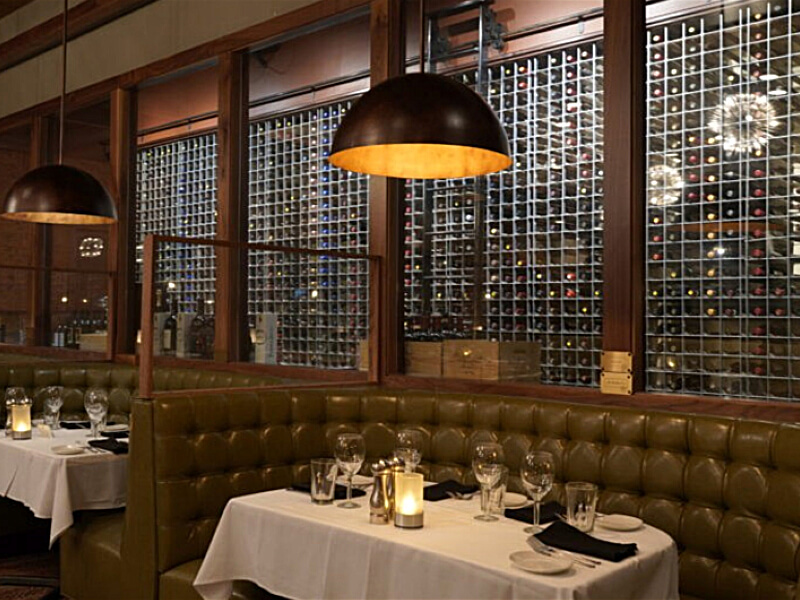
This is the design guests talk about. Not because it's storage. Because it's architecture. Because it's part of why they chose this restaurant. Photo courtesy of OpenTable - view source Design as Competitive AdvantageAn exceptional wine display isn't a commodity. It's a competitive advantage. When guests compare steakhouses, wine program presentation is part of the decision. A full-height, professionally designed wine wall signals that this restaurant understands excellence at every level. Building for Permanence, Not ReplacementThe design found in Sullivan's Steakhouse locations is engineered for permanence. Materials are premium. Fabrication is precise. Installation is simplified as all racks arrive fully assembled. The result is a system that performs identically in year 20 as it does in year 1. That's rare. Most restaurant fixtures are designed with a planned lifecycle - serve their purpose, get dated, get replaced. This design assumes you're making a long-term investment in your restaurant's identity and guest experience. The wine walls pictured on this page are installed at Sullivan's Steakhouse locations and represent a proven design that has earned recognition over decades. We build this exact design for upscale restaurants, fine dining establishments, and hospitality groups. We work with the same trusted vendors and design principles, with engineering refinements and new material options available. The result is the same investment-grade quality that's earning wine program recognition across multiple locations and two decades of operations. Frequently Asked QuestionsCan you build this exact design for my restaurant? How long do these wine walls actually last? If we relocate, can the wine wall move with us? What makes this design better than alternatives I've seen? Why does Wine Spectator judge on presentation? |
HANDMADE IN AMERICA FOR OVER 40 YEARS • CALL 727-785-8450 x 115